Colette: “Even in the darkest times, a glimmer of hope”
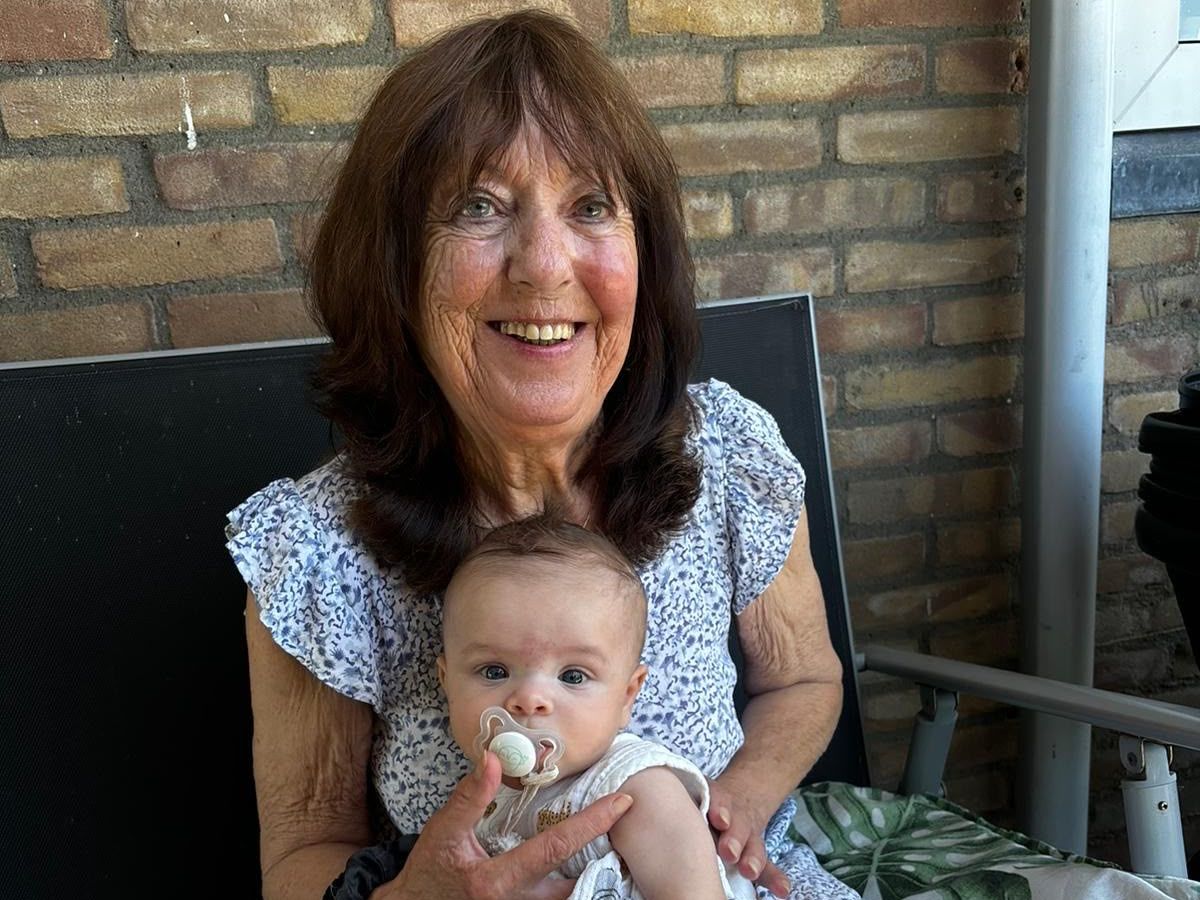
Colette is Irish and moved to Germany in 1987. In 2001, in Berlin, she was diagnosed with breast cancer, which came back twice. In 2011 she moved to the Netherlands, and in 2012 she was diagnosed with lung cancer, which she still lives with. She is now 69, a grandmother of two, and has been living with cancer for 25 years. She found CSN on Facebook about a year and a half ago.
Twenty-five years of living with cancer
"…2001, I was diagnosed with breast cancer in Berlin, which was a… harrowing time. I was what, 43/44 at the time, and I had two young children, and… that was very isolating. I mean, I did speak the language, but not in the medical terms, which is a big difference. One says that I'm fluent in this language, but I'm certainly not fluent in the medical language."
"In 2002, I had a recurrence of breast cancer, and then I was fine for about four years, and then I had another recurrence [of] breast cancer, and this time it was mastectomy, and… I had a year long chemotherapy… It was every three weeks for a year, but I didn't lose my hair."
"Then we moved to the Netherlands in 2011, and unfortunately, then 2012, I had lung cancer, and I'm still going through problems with that. I still have to go every six months for CT scans. I mean, it's 2026 now, so we're talking about nearly 15 years living with lung cancer and 25 with breast cancer, and it was horrifying. It was devastating, but I just want to sort of make sure that I can give a little bit of hope to other people, even in the darkest times..if there's a glimmer of hope for anybody, this is one [message] that I would like to put across."
When I was first diagnosed
"My youngest daughter was two and a half, and my eldest daughter was 12… for me it was like a death sentence, you know… who's going to look after my children?"
"It's not even the sickness that's going through your head. It's what's going to happen to the children, not what's going to happen to you. Yes, of course, but it's more about the children, the people you're leaving behind, the people that are going through this journey with you."
"I was actually playing with the kids on the bed, and I felt it right under my arm like a little pea. And I went, 'Oh, I got that checked out.' Not thinking much of it."
"Even [seeing it in] magazines, breast cancer, 'Oh, that's not going to happen to me.' Uh oh. Until it does happen to you. I was very complacent about it, put it that way, very complacent."
"Luckily enough, I'm now 69, and I'm a grandmother to two grandchildren, which I never thought I'd even see my own children grow up."
"I was 44 at the time, I'm 69 now. So, I've had the added bonus of 25 years. This is the way I look at it."
Living with scan anxiety
"I'm actually fine for about five months, and then comes the dreaded month before the CT scans, and then the anxiety comes up again. The “what if”, you know, the “what's the diagnosis going to be this time?” “Will they have found something new?”… So even though you've done the CT scan, you're sort of still waiting that length of time then for results."
"It pauses your life… when I'm getting the CT, it's sort of like that month is gone here in my head. The month is gone. Obviously, I have to keep going. I look after my grandson as well a couple of days a week."
"The AvL is… a cancer hospital, and they're all very sympathetic and kind. I really have no fault with it whatsoever."
What I would tell my younger self
"In Berlin. I was offered a lady who came and she had been through cancer herself, and you know to give me information. I said no, I didn't want to know. I mean, I was in denial. If you know what I mean? And so if I tell my younger self, go and speak to that woman. She has the knowledge, you know. She's been there. You know, you're only starting the journey. You know, so listen to this person. My head was all over the place."
"It was great that in Berlin they offered you that. Here in the Netherlands [in my experience] they don't offer you that at all."
Language and information
"I speak fluent German, and so I thought I was going to pick up Dutch so quickly, but because it's so similar, and words are very alike, but they mean totally different things. I just keep the English now. English or pure German, because I start getting mixed up between German and Dutch, and then I come out with some silly things. Instead of saying, like, 'Oh, that's mooi,' you know, I say, 'Oh, that's a schön.' It's because schön means beautiful in German. And so I get mixed up sometimes. So I just keep the languages apart."
"With the doctors, I find that you know that speaking English with me, I've had no problems. But yes, all the brochures, they're all in Dutch. You know, or are in Moroccan, but none of them are ever in English."
"I find it more difficult here in the Netherlands than I did in Germany. But then maybe it's because of my lack of language here, so I'm not putting it down to the Dutch people."
Support before CSN
"I actually had pretty good support, network with my Irish friends, and English friends and Scottish, and we used to all meet up before COVID. We used to meet once a week. Now it's probably about once a month now, but you know, we've all been supportive of one another because we've all had either tragedies or illness or whatever, and you're far away from home. This is really important: is to have a network."
"You know, your friends become your family. And I had that experience in Berlin as well, they became my family."
"I have lovely neighbours. I have fantastic neighbours. Couldn't wish for better, they're all Dutch."
Being part of CSN
"I think it's great to get ideas and to find out you know everybody else's journey and the positive side of it. Yes, we all have the negative side, but to bring the positive side into it is, I think, very uplifting for anybody. Even if you're feeling down, you know, it's sort of like, well, somebody's having a good day."
"Sometimes it's good to have somebody… outside your circle, that this is a circle I have for myself. My daughter doesn't even know I'm in the circle. Oh, she does, but she's not interested. She thinks I'm loony anyway. Because I say, 'Oh, my cancer buddy'… this is what I call it. I think she's just happy enough that I'm happy enough to go on these things."
Reaching out for support
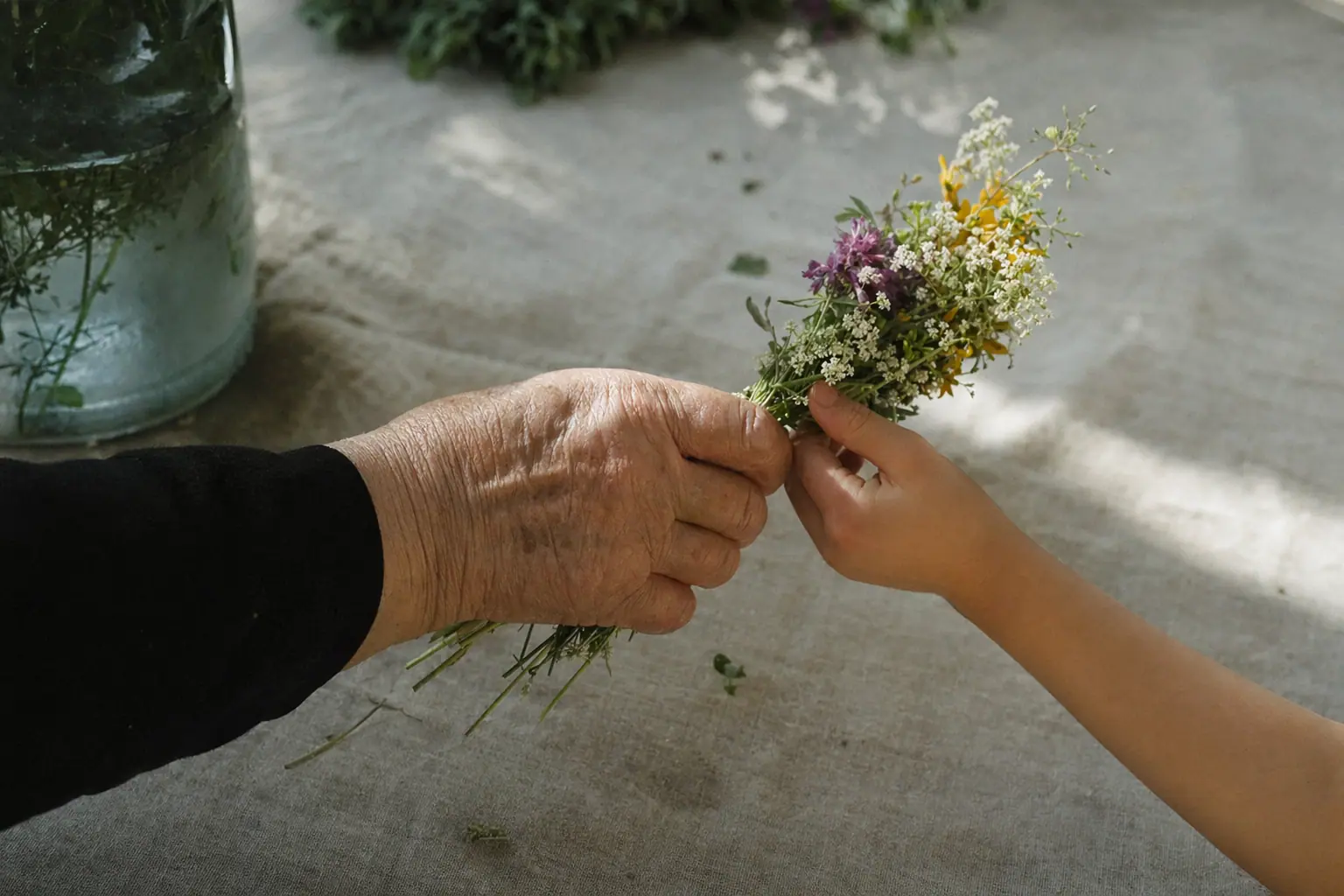
"Just reach out. Put that hand out, you know. Once you've made that one effort to put your hand out and say, 'I need help. I need support.' It's not even help. I need support, you know."
"…especially to people that you don't know, you know, that [they're] not going to criticize you. They're not going to say, 'Oh well, it's because you went to McDonald's all those times.'"
"Just thank you, Kat, (CSN founder, Katherine Saville) for everything to start this group up, the initiative in it."
This is Colette's personal experience, shared with permission. It is not medical advice. If you need urgent help, contact your GP or huisartsenpost, or call 112.